
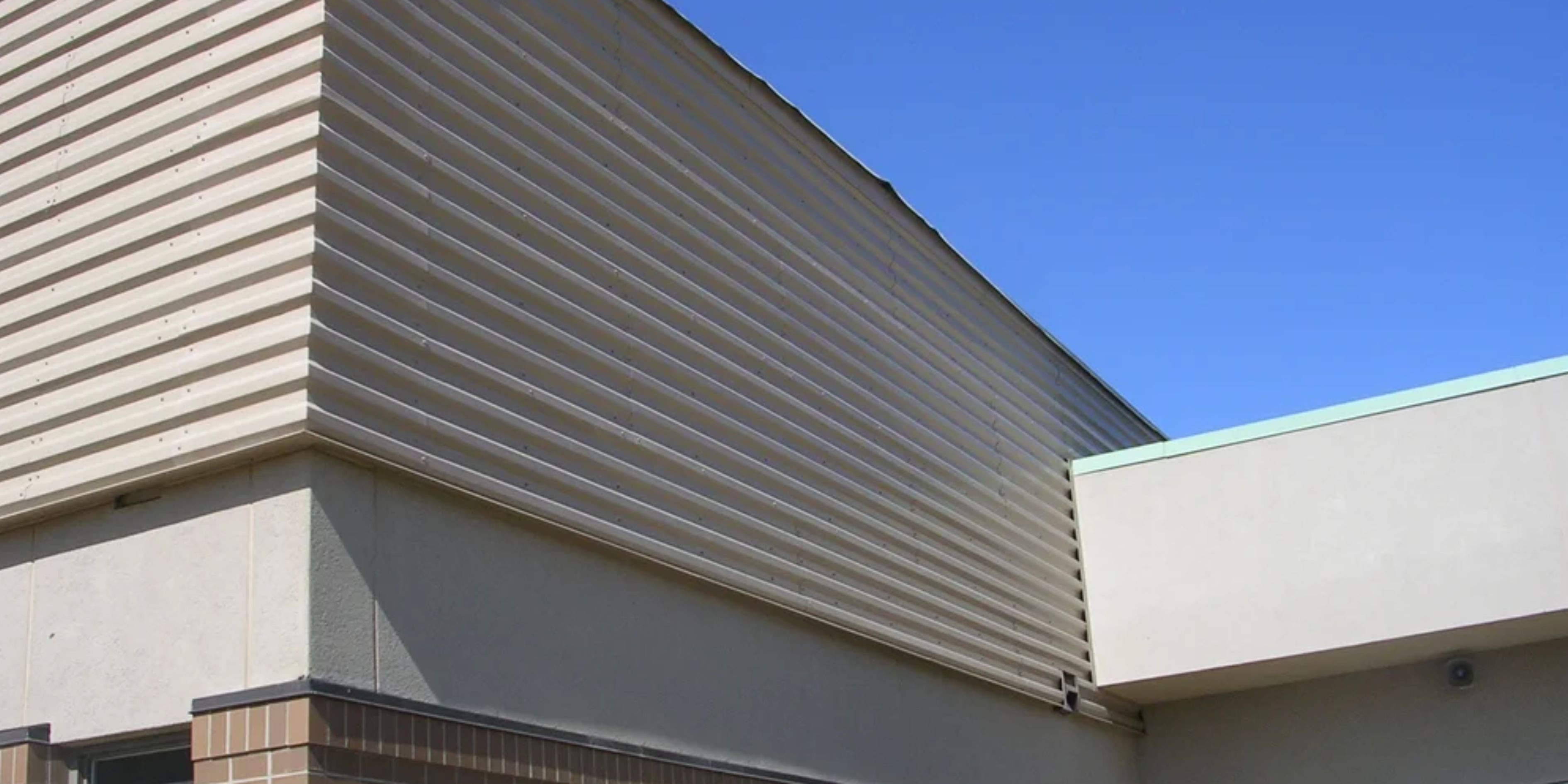
Architects should weigh panel gauge, finish durability, fastening method, thermal movement, and moisture management before choosing horizontal metal siding panels for a project. Each factor shapes long-term performance, appearance, and maintenance cost. A panel system chosen only for looks can fail within a few years if drainage details or expansion joints are ignored.
Climate conditions matter too, since coastal or high-wind regions demand thicker gauges and stronger clips. Budget matters, but durability and code compliance should guide the final decision. Getting these details right early prevents costly redesigns later in construction.
Material Thickness and Panel Gauge
Gauge thickness determines how well panels resist dents, wind pressure, and impact damage over decades of exposure. Thinner panels lower upfront cost but may warp or oil-can under heat cycles. Specifying commercial-grade gauge for institutional or industrial buildings reduces callbacks and keeps facades looking flat for years.
Finish Coatings and Long-Term Weather Resistance
Coating quality affects color retention, chalking, and corrosion resistance across seasons. High-performance fluoropolymer finishes hold color longer than standard polyester coatings, especially on south-facing walls. Choosing a proven coating system protects the building envelope and lowers repainting needs across its service life.
Fastening Methods and Expansion Joints
Panels expand and contract with temperature swings, so fastening systems must allow controlled movement. Fixed clips without slotted holes can buckle panels within a single hot summer. Engineers should confirm clip spacing and expansion joint placement match the manufacturer’s published tolerances before installation begins.
Moisture Management and Drainage Details
Water intrusion causes most cladding failures, not the panels themselves. Rainscreen cavities, flashing details, and weep holes direct moisture away from sheathing and framing. A well-drained assembly behind horizontal metal siding panels keeps insulation dry and prevents mold growth inside wall cavities.
Key Factors to Review before Specification
Several practical details shape how a panel system performs once installed on site. Reviewing them early avoids change orders and keeps the project on schedule.
- Wind load ratings for the building’s height and location
- Panel width and reveal size for visual proportion
- Compatibility with existing window and door flashing
- Local code requirements for fire rating and impact resistance
- Warranty terms covering finish fading and panel failure
Confirming these points with the fabricator before ordering material saves time during submittal review and reduces field adjustments later.
Matching Wall Panels with Roofing Systems
Facade choices rarely stand alone, since roofing details influence how water sheds off a building. Pairing wall cladding with a metal standing seam roof creates a unified look and simplifies flashing transitions at parapets and eaves. Matching profiles and finishes between roof and wall also strengthen long-term weather performance.
Frequently Asked Questions
How thick should horizontal metal siding panels be for commercial buildings?
Commercial projects may use 24-gauge steel or thicker panels, depending on structural needs, wind loads, panel profile, and material type. Final thickness should follow project specifications, engineering requirements, and manufacturer recommendations.
Can horizontal metal siding panels be installed over existing wall assemblies?
Yes, horizontal metal siding panels can be installed over existing wall assemblies when the substrate is suitable. Furring systems or rainscreen frameworks may provide support, while proper drainage and moisture control should remain part of planning.
What is the typical lifespan of a metal standing seam roof compared to wall panels?
A metal standing seam roof can last about 40 to 60 years with proper care. Metal wall panels may provide a similar service life, depending on material quality, protective coatings, exposure, installation, and maintenance practices.
Do horizontal panels perform differently than vertical panels in high-wind regions?
Yes, panel orientation can affect attachment and wind-load requirements. Horizontal systems may require specific fastener patterns, support spacing, and connection details based on project conditions. Structural calculations should guide the final installation design.
How often should metal panel finishes be inspected after installation?
Metal panel finishes should receive a visual inspection at least once a year. Regular checks can identify fading, scratches, sealant wear, corrosion, loose fasteners, or other surface concerns before they require more extensive attention.
Final Thoughts
Choosing the right panel system takes more than picking a color and finish. Gauge, coatings, fastening, and drainage details each affect how long a facade performs without repairs.
Architects who specify horizontal metal siding panels with attention to these factors, alongside a properly detailed metal standing seam roof, protect both a building’s appearance and its long-term structural health. Careful early planning prevents costly problems well after construction ends.
- Dalton Building Enclosures
- daltonbuildingenclosures@gmail.com