
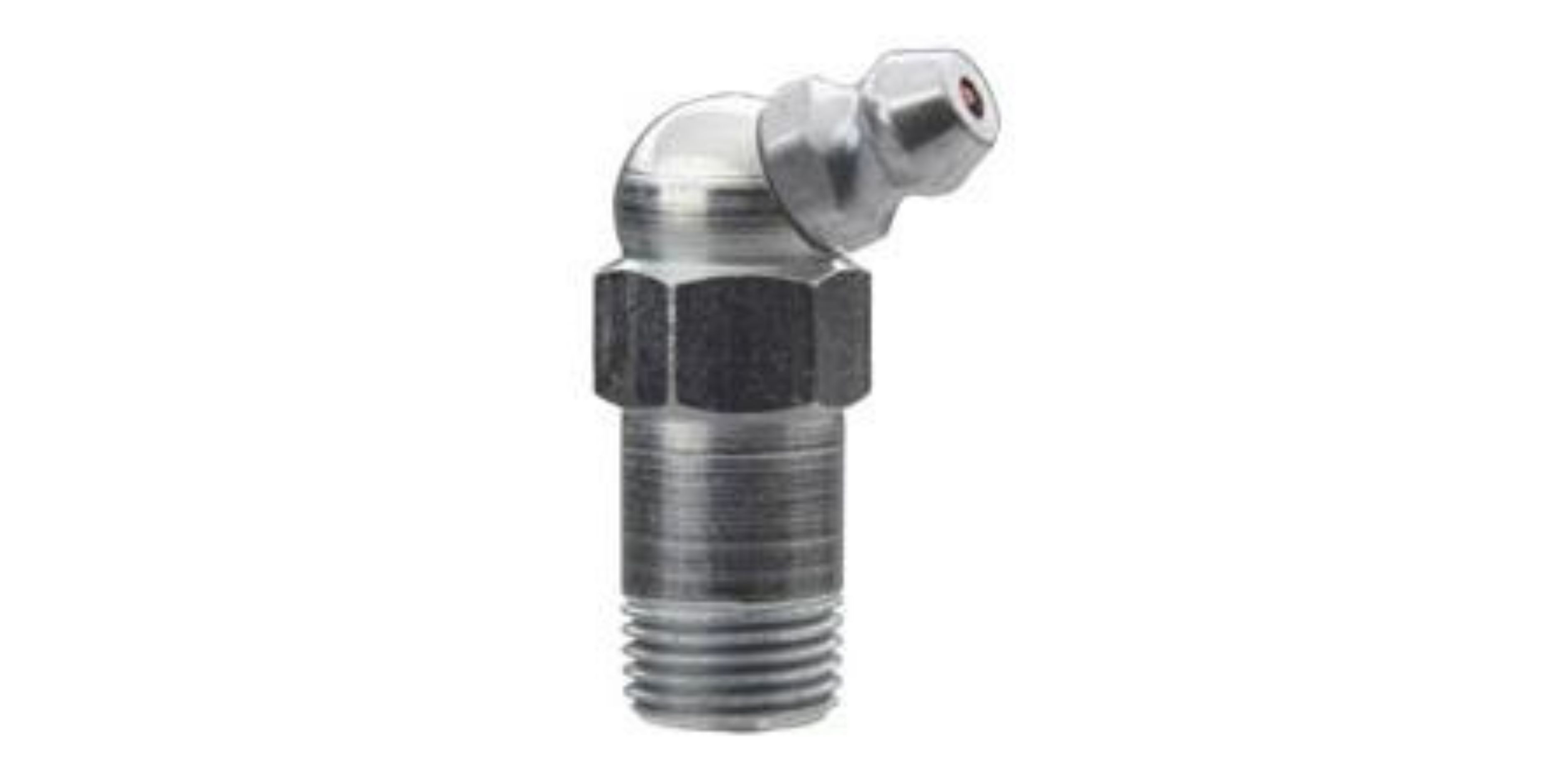
Choosing Hydraulic (1/8 PTF) Fittings starts with checking the system requirements, connection size, pressure, temperature, fluid type, and material. The right fitting should match the hydraulic equipment and provide a secure connection for fluid flow. For maintenance teams, machine operators, and industrial equipment users, selecting compatible fittings can help reduce leaks, connection problems, and unnecessary maintenance. Checking these details before installation can also help support safe and steady hydraulic system operation.
Check the Connection Size
Fitting size is one of the first things to check when selecting a hydraulic connection. A fitting that does not match the system can create installation problems or affect fluid flow.
For a 1/8 PTF fitting, users should confirm:
- Port size and thread type
- Connection requirements
- Tube or hose size
- Equipment specifications
- Compatibility with existing components
Checking these details before purchase can help prevent incorrect fittings from being installed in the system.
Consider System Pressure
Hydraulic systems can operate under different pressure levels. The fitting must be suitable for the pressure used by the equipment. A fitting that is not rated for the system may not provide the needed connection strength. Users should check the manufacturer’s pressure information and compare it with the working pressure of the hydraulic equipment.
It is also useful to consider pressure changes that may happen during machine operation. Choosing components suitable for the actual working conditions can help support a more reliable system.
Match the Fitting Material
The material of a fitting can affect how it performs in different working environments. Hydraulic systems may be exposed to moisture, heat, chemicals, dust, or other conditions that can affect components.
When selecting Hydraulic Grease Fittings, users should consider the material along with the lubricant and equipment being used. The fitting should be suitable for the application and able to handle the conditions around the connection point.
Important factors may include:
- Operating environment
- Temperature
- Moisture exposure
- Lubricant compatibility
- Corrosion concerns
- Expected service conditions
Check Fluid Compatibility
Different hydraulic systems may use different fluids or lubricants. Not every fitting material or sealing method is suitable for every fluid. Before selecting a fitting, check the fluid used in the equipment and confirm that the fitting and its sealing materials are compatible.
This simple step can help reduce the chance of damaged seals, leaks, or connection issues.
For maintenance teams, keeping fluid compatibility in mind can make component selection more reliable.
Look at the Application
The best fit depends on where and how it will be used. A connection on a compact machine may have different requirements from one used on heavy industrial equipment. Consider the location of the connection, available installation space, operating conditions, and how often the equipment is serviced.
A good selection should make installation and future maintenance practical. Easy access can be especially helpful when fittings need inspection, cleaning, or replacement.
Focus on Secure Connections
A hydraulic fitting must create a dependable connection between system components. Loose, damaged, or poorly matched fittings can lead to leaks and other performance problems. Before installation, check the fitting for visible damage and confirm that the connection matches the equipment.
Follow suitable installation practices rather than forcing a fitting into an incompatible port. A secure connection can help support proper fluid movement and reduce avoidable maintenance issues.
Support Regular Maintenance
Choosing the right fitting is only one part of hydraulic system care. Regular inspections can help identify worn, loose, or damaged components before they become larger problems.
Maintenance teams should regularly check:
- Fitting connections
- Signs of fluid leakage
- Damaged threads
- Worn seals
- Corrosion or surface damage
- Changes in system performance
Proper maintenance can help keep hydraulic connections in better working condition and support dependable equipment operation.
Make Selection Part of System Planning
Selecting Hydraulic (1/8 PTF) Fittings should be part of the overall hydraulic system planning process. Size, pressure, material, fluid compatibility, installation space, and maintenance needs all deserve attention.
Rather than choosing a fitting based only on size or appearance, industrial users should compare the component with the actual requirements of the equipment. This approach can help create stronger connections and support reliable hydraulic operation over time.
Frequently Asked Questions
1. What are Hydraulic (1/8 PTF) Fittings used for?
Hydraulic (1/8 PTF) Fittings are used to create connections between components in hydraulic systems. They can help connect ports, tubes, hoses, and other hydraulic parts where the specified thread type and size are required.
2. What should be checked before choosing a hydraulic fitting?
Users should check the thread size, pressure rating, fitting material, fluid compatibility, temperature, and application requirements before selecting a hydraulic fitting.
3. Are Hydraulic Grease Fittings the same as hydraulic fittings?
Not always. Hydraulic fittings are commonly used for fluid connections in hydraulic systems, while grease fittings are designed to provide grease to lubrication points. Their design and purpose can differ based on the application.
4. Why is fitting size important in a hydraulic system?
The correct size helps ensure that the fitting matches the system connection. An incorrect size can cause installation problems, poor connections, or leakage.
5. How can hydraulic fitting problems be prevented?
Using compatible components, following proper installation practices, checking connections regularly, and replacing damaged fittings can help reduce common hydraulic connection problems.
Final Thought:
A hydraulic system is only as dependable as the connections supporting it. Taking time to check size, pressure, material, fluid compatibility, and installation needs can prevent many avoidable problems. The right fitting can support smoother operation, easier maintenance, and better system reliability.
For industrial teams, careful component selection is a simple step that can make everyday equipment care more dependable and efficient. Choose wisely, and let Hydraulic (1/8 PTF) Fittings support your system.
- M Brown Fitting Specialists
- mbfittings@yahoo.com