
Cricket captaincy is among sport’s most multidimensional leadership challenges. A captain must simultaneously manage field placements, bowling rotations, batting orders, team morale, media relationships, and their own performance—all under the intense scrutiny of millions of followers. In 2026, the captains who are elevating their teams beyond what the individual talent would suggest are demonstrating qualities that go far beyond tactical knowledge. Cricket99 analysis of captaincy regularly identifies what separates the elite leaders from the merely competent.
The Toss: Cricket’s First Captaincy Decision
Every match begins with captaincy’s most publicly visible decision—the toss. In most international cricket, the toss winner faces an immediate choice: bat first to set a target or bowl first to exploit conditions or gain a second-innings advantage. The factors influencing this decision—pitch condition, weather forecast, team composition, match format, and opposition strengths and weaknesses—are numerous and complex. Getting this decision right sets the tone for everything that follows. Fans can access captaincy analysis through the Cricbet99 login.
The great captains consistently make the right toss decisions not through luck but through superior information gathering and assessment. Before the toss, elite captains have spoken with their groundstaff, checked weather forecasts, assessed how the pitch has been prepared, and considered how their team’s specific strengths match the likely match conditions. This preparation turns the coin into a formality—the decision is made before the toss occurs.
Field Placements: The Tactical Chess Board
Managing eleven fielders across a cricket ground in real time—responding to each batsman’s preferences, the bowler’s specific delivery plans, the match situation, and the developing pitch conditions—is captaincy’s most continuous analytical challenge. Field placements signal to both the bowler and batsman the captain’s strategic intentions, so the optimal placement requires simultaneously supporting the bowler’s plan while not giving the batsman information about what is coming. The cricket99 app features field placement analysis for all major T20I and Test matches.
The most creative captains use unconventional placements to deceive batsmen. A fielder placed in an unexpected position telegraphs a delivery type the batsman then tries to avoid rather than playing freely. When the delivery comes where the unusual field suggests, the wicket opportunity follows. This game-within-a-game requires captains who think several deliveries ahead, not just reacting to what has happened.
Bowling Changes: The Art of Rotation and Match Reading
Decisions about when to replace a bowling partnership, which bowler to bring on, and how long to persist with an unsuccessful spell are among captaincy’s most consequential regular choices. Removing a bowler too early wastes an effective spell; persisting too long allows batsmen to settle and score freely. Reading when a bowling combination has achieved all it can achieve and a fresh option is needed requires both tactical knowledge and intuitive match reading. The Cricket99 id provides bowling change analysis for all international matches.
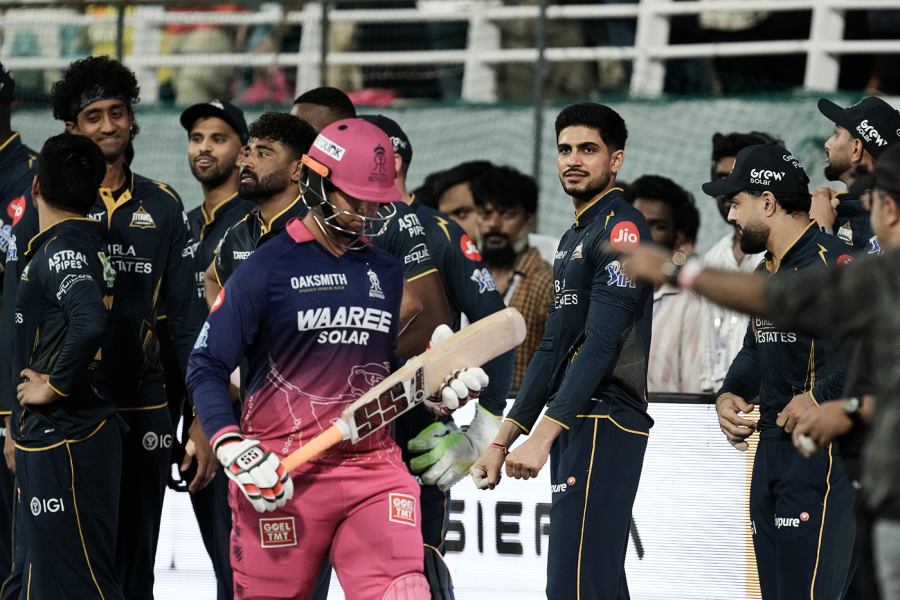
Man-Management: The Human Dimension of Captaincy
Beyond the tactical decisions visible from outside, captaincy’s most important work happens in private conversations with players. How a captain handles a dropped catch—preventing the fielder from losing confidence rather than adding to their distress. How they respond to a bowler going for runs—maintaining belief rather than creating anxiety. These private interactions, invisible to fans and media, often determine a team’s collective confidence and willingness to take the risks that match-winning cricket requires. Cricbet99 features captaincy psychology content from former international leaders.
The Captain’s Own Performance: Leading by Example
Playing captains face the additional challenge of maintaining their own performance while managing a team. The cognitive demands of captaincy—constant situational analysis, communication with team members, and relationship management—can affect individual performance if the captain doesn’t manage their mental bandwidth effectively. The greatest playing captains have the mental capacity to do both simultaneously at the highest level.
Rohit Sharma vs Steve Smith vs Ben Stokes: The 2026 Captaincy Comparison
Among 2026’s leading Test captains, each embodies a different captaincy philosophy. Rohit Sharma’s tactical precision and man-management quality have made India’s multi-format dominance possible. Ben Stokes’ aggressive baseball philosophy has transformed England’s identity. Assessing which approach produces the best long-term results provides fascinating material for cricket’s ongoing captaincy debates. Cricbet99 bonus content features detailed captaincy comparison analysis.
The cricbet99 online platform’s match coverage always includes captaincy analysis—examining the decisions that shaped each session, the bowling changes that proved decisive, and the field placements that created wicket opportunities. For Cricket99 followers who want to engage with the sport at the tactical level, captaincy analysis is an essential dimension of complete match understanding.
FAQs: Cricket Captaincy
Q: What is the most difficult regular decision a cricket captain makes?
A: Bowling changes—knowing when a bowling spell has run its course and which alternative option will create the next wicket opportunity—require the most continuous analytical judgment.
Q: How does captaincy affect a player’s own individual performance?
A: The cognitive demands of captaincy can affect batting or bowling performance if not managed carefully, which is why the greatest playing captains have exceptional mental bandwidth.
Q: Where can I find captaincy analysis for international matches?
A: The cricbet99 app and cricket99 platform provide dedicated captaincy analysis examining tactical decisions in all major international matches.
- payalrajput
- payalrajput5059@gmail.com