
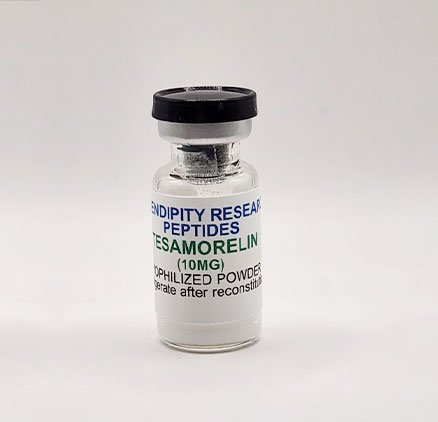
Tesamorelin peptide purity, clear labeling, and product verification play a key role in reliable laboratory research. A product label alone does not prove its quality, identity, or chemical makeup. Researchers need clear records, trusted testing methods, and sound checks before adding any compound to a study.
When reviewing peptide tesamorelin, focus on verifiable evidence rather than bold claims or attractive packaging. A careful review helps research teams spot poor documentation, unclear product details, and signs of weak quality control.
Why Does Tesamorelin Peptide Purity Matter?
Purity describes the share of a sample that contains the target compound compared with related substances and impurities. A high purity result offers useful data, yet it does not confirm every aspect of product quality.
Researchers need to review several factors:
- Chemical identity: Testing should confirm the sample matches the expected tesamorelin structure.
- Purity level: A suitable analytical method should measure the target compound and detect related impurities.
- Impurity profile: Residual chemicals, breakdown products, and other unwanted substances need proper review.
- Sample integrity: Storage conditions, moisture, temperature, and handling affect the stability of peptide samples.
High-performance liquid chromatography (HPLC) helps assess peptide purity. Mass spectrometry (MS) helps verify molecular mass and supports identity checks. Using both methods provides stronger evidence than relying on a single test.
What Should a Tesamorelin Product Label Include?
A clear label gives researchers the basic details needed to identify and track a product. Missing information raises questions about traceability and quality control.
Look for these details when reviewing a research peptide:
- Product name and chemical identity
- Batch or lot number
- Quantity and concentration, where applicable
- Manufacturing or packaging date, if available
- Storage and handling instructions
- Supplier details and contact information
- Research-use restrictions and relevant safety warnings
Researchers should compare the label with the product specification sheet and the certificate of analysis (CoA). Any mismatch in the product name, batch number, or reported test results calls for further review.
How Can Researchers Verify Tesamorelin Product Quality?
A certificate of analysis offers useful information about a specific batch. However, a document alone does not prove the sample meets every quality requirement. Researchers should check who performed the testing, which methods the laboratory used, and whether the report identifies the same batch as the product.
Follow these verification steps:
- Review the CoA: Check the batch number, test date, analytical methods, and reported results.
- Check the testing laboratory: Look for clear laboratory details and relevant testing credentials.
- Confirm the analytical methods: HPLC and mass spectrometry provide different types of evidence.
- Inspect supplier records: Review product specifications, traceability details, and quality assurance practices.
- Request independent testing: Seek additional analysis when the documentation lacks detail or raises concerns.
Researchers assessing tesamorelin peptide for sale should apply these checks before accepting a supplier’s claims. Clear records and independent evidence offer a stronger basis for evaluating product quality.
What Should Researchers Know About Dosage and Product Claims?
Tesamorelin peptide dosage information requires careful review of the research protocol, sample concentration, and intended laboratory method. Researchers should not treat a supplier’s dosage statement as proof of purity, safety, or suitability. Any concentration or quantity claim needs support from reliable product records and suitable analytical testing.
Likewise, a listing for peptide tesamorelin should clearly state the product’s identity and research-use status. Avoid relying on claims such as guaranteed purity or premium quality unless the supplier provides evidence to support them.
Final Thought
Reliable tesamorelin research starts with clear documentation, suitable analytical methods, and careful product verification. Researchers evaluating tesamorelin peptide for sale should compare labels, batch records, and laboratory reports before making a decision. A transparent supplier and verifiable test results provide a stronger foundation for research quality than marketing claims alone.
- Serendipity Research Peptides
- serendipityresearchpeptides64@gmail.com