
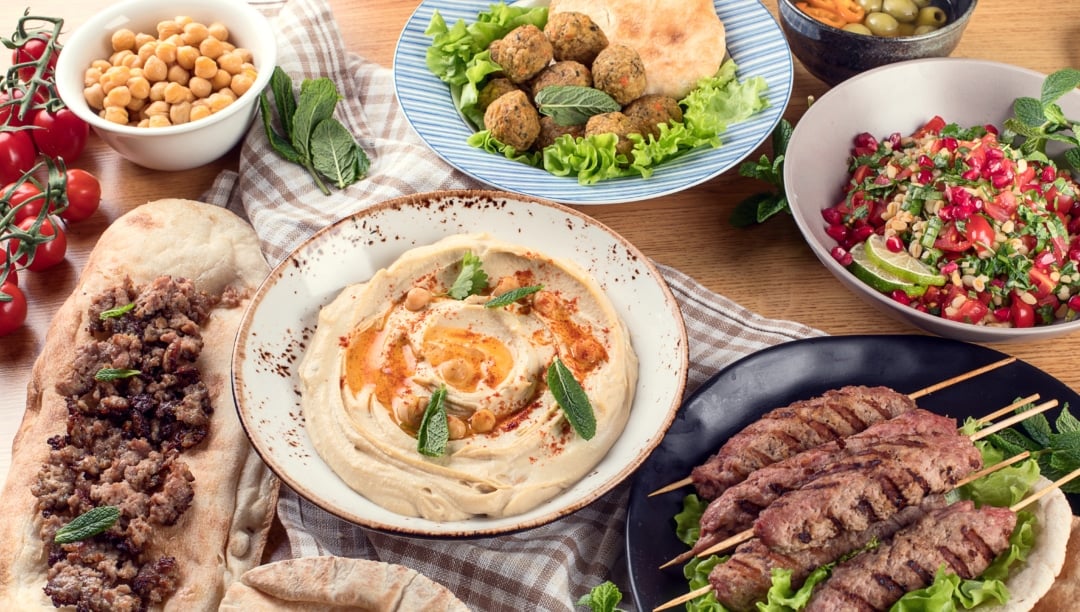
Discovering the Best Lebanese Food In Lebanon is a wonderful way to experience the country’s rich culinary heritage, traditional hospitality, and distinctive Mediterranean flavours. Lebanese cuisine is celebrated for its fresh ingredients, aromatic herbs, colourful mezze, grilled specialities, and traditional desserts. Every dish reflects a connection to local ingredients, family recipes, and food traditions passed down through generations.
Whether you are visiting Beirut, exploring coastal communities, or travelling through mountain villages, Lebanon offers countless opportunities to discover authentic local food. Knowing where to look, which dishes to try, and how to recognise traditional preparation can help you enjoy a more meaningful culinary experience.
What Makes the Best Lebanese Food In Lebanon Special?
The Best Lebanese Food In Lebanon combines fresh ingredients, traditional cooking techniques, and balanced flavours. Olive oil, lemon juice, garlic, parsley, mint, chickpeas, and seasonal vegetables are essential ingredients in many Lebanese recipes.
Lebanese meals often include several dishes served together, allowing diners to experience different flavours and textures. Mezze, fresh salads, grilled meats, homemade bread, and traditional sweets contribute to the variety of the country’s food culture.
Hospitality is equally important. Sharing food with family, friends, and guests is a longstanding tradition in Lebanon. Many restaurants reflect this custom by serving dishes designed for communal dining, creating an inviting atmosphere where food becomes part of a shared cultural experience.
Explore Traditional Lebanese Mezze and Appetisers
Mezze is an excellent starting point for discovering authentic Lebanese food. These small dishes introduce diners to the ingredients, flavours, and preparation methods that define the country’s culinary traditions.
Try Hummus, Tabbouleh, and Fattoush
Hummus is a creamy chickpea dip prepared with tahini, lemon juice, and garlic. Tabbouleh combines parsley, tomatoes, mint, bulgur, and lemon dressing, while fattoush features fresh vegetables with toasted or fried pieces of bread.
These dishes demonstrate how simple, fresh ingredients can create distinctive flavours. They are commonly served alongside other mezze and traditional Lebanese bread.
Discover Kibbeh and Traditional Dips
Kibbeh is a traditional dish commonly prepared with bulgur and seasoned meat, although variations differ by region and preparation method. Baba ghanoush and moutabal are popular eggplant-based dishes that complement salads, bread, and other mezze.
When searching for the Best Lebanese Food In Lebanon, choose restaurants that prepare these specialities with attention to traditional ingredients and balanced seasoning.
Find Authentic Lebanese Grilled Specialities
Grilled dishes are an important part of Lebanese cuisine. Their distinctive flavours come from traditional marinades, aromatic seasonings, and carefully prepared accompaniments.
Shish taouk features marinated chicken cooked on skewers, while kafta is typically made with seasoned minced meat mixed with herbs and spices. Kebabs are also popular and are often served with garlic sauce, pickles, fresh vegetables, and flatbread.
To discover authentic grilling traditions, look for restaurants that specialise in Lebanese dishes rather than establishments offering only general international menus. Ask staff about their signature specialities and traditional accompaniments.
Vegetarian diners can also explore grilled vegetables, falafel, lentil dishes, and other plant-based options found throughout Lebanese food culture.
Visit Local Markets and Traditional Bakeries
Local markets and bakeries provide an opportunity to experience Lebanese food beyond restaurants. They offer insight into the ingredients, everyday meals, and culinary traditions that shape local communities.
Markets often feature fresh vegetables, herbs, olives, spices, nuts, and seasonal produce. Exploring these ingredients helps visitors understand the foundations of traditional Lebanese cooking.
Traditional bakeries are equally worth visiting. Fresh flatbread and manakish, commonly topped with za’atar or cheese, are popular choices for breakfast and casual meals.
Observing how these foods are prepared and enjoyed can help you appreciate the connection between Lebanese culinary traditions and everyday life.
Explore Regional Food Experiences Across Lebanon
Lebanese cuisine varies across cities, coastal areas, and mountain communities. Each region offers distinctive ingredients, recipes, and dining traditions.
Discover Beirut’s Local Food Scene
Beirut offers a broad selection of traditional Lebanese restaurants, bakeries, markets, and contemporary dining destinations. Visitors can enjoy classic mezze, grilled specialities, and traditional sweets while discovering how local food culture continues to evolve.
Exploring neighbourhood eateries can also introduce you to familiar dishes prepared according to local preferences and family traditions.
Enjoy Coastal Food Traditions
Lebanon’s coastal communities have a strong connection to the Mediterranean Sea. Seafood may feature prominently on local menus, often accompanied by lemon, fresh herbs, salads, and traditional Lebanese side dishes.
Visiting coastal restaurants offers another perspective on the country’s culinary diversity.
Discover Mountain and Village Cooking
Mountain villages and rural communities may preserve distinctive home-style recipes influenced by seasonal ingredients and local agricultural traditions.
Ask residents about regional specialities and traditional dishes associated with their area. These recommendations can help you discover authentic food experiences beyond the most widely known Lebanese dishes.
How to Choose Restaurants Serving Authentic Lebanese Food
Finding the right restaurant can make your culinary journey more enjoyable. Start by reviewing menus to identify traditional Lebanese specialities, freshly prepared mezze, grilled dishes, and regional recipes.
Read recent customer reviews to learn about food quality, service, cleanliness, and atmosphere. Recommendations from local residents can also help you discover family-run establishments and traditional eateries.
Look for restaurants that can explain their ingredients and preparation methods. Staff recommendations may introduce you to dishes you have not tried before.
When searching for the Best Lebanese Food In Lebanon, consider the complete experience, including authenticity, freshness, hospitality, and the opportunity to explore local traditions.
Experience Lebanese Hospitality and Dining Customs
Lebanese hospitality is an important part of the country’s food culture. Meals often bring family and friends together around a table filled with shared dishes, encouraging conversation and connection.
To experience these traditions, consider ordering several mezze dishes to share with your companions. Ask about unfamiliar specialities, follow the host’s guidance when dining in someone’s home, and take time to appreciate the meal.
Freshly baked bread, traditional coffee, and homemade desserts may also form part of the experience. These customs demonstrate that Lebanese food is not simply about individual dishes; it is also about generosity, community, and shared enjoyment.
Frequently Asked Questions
What Is the Best Lebanese Food In Lebanon to Try First?
Start with hummus, tabbouleh, fattoush, and baba ghanoush. You can then explore shish taouk, kafta, kibbeh, and manakish, followed by traditional desserts such as knefeh or baklava.
How Can I Find Authentic Local Lebanese Food?
Explore traditional restaurants, local markets, bakeries, and family-run eateries. Read recent reviews and ask local residents for recommendations to discover authentic dishes and regional specialities.
Is Lebanese Food Suitable for Vegetarians?
Yes, many Lebanese dishes are vegetarian, including hummus, falafel, tabbouleh, fattoush, and various vegetable-based mezze. Check ingredients and preparation methods to ensure they meet your dietary requirements.
Which Lebanese Food Traditions Should Visitors Experience?
Visitors can explore communal mezze, traditional bread-making, local markets, grilled specialities, and Lebanese coffee traditions. Sharing food with others is also an important way to experience local hospitality.
Why Is Lebanese Cuisine Famous for Fresh Ingredients?
Lebanese cooking frequently uses fresh vegetables, herbs, olive oil, lemon juice, garlic, and legumes. These ingredients create distinctive flavours and contribute to the variety of traditional salads, dips, and main courses.
Conclusion
Finding the Best Lebanese Food In Lebanon is an opportunity to explore the country’s culinary heritage, regional diversity, and welcoming traditions. From colourful mezze and grilled specialities to fresh bakery products and traditional desserts, Lebanese cuisine offers a memorable variety of flavours and experiences.
By visiting local markets, exploring regional restaurants, trying traditional dishes, and embracing communal dining, you can gain a deeper appreciation for Lebanon’s food culture. Whether you are discovering Beirut’s restaurants or exploring village specialities, authentic Lebanese food provides a meaningful connection to the country’s history, hospitality, and everyday life.
- Kababji Resturant
- kababji@staging-cs.com