
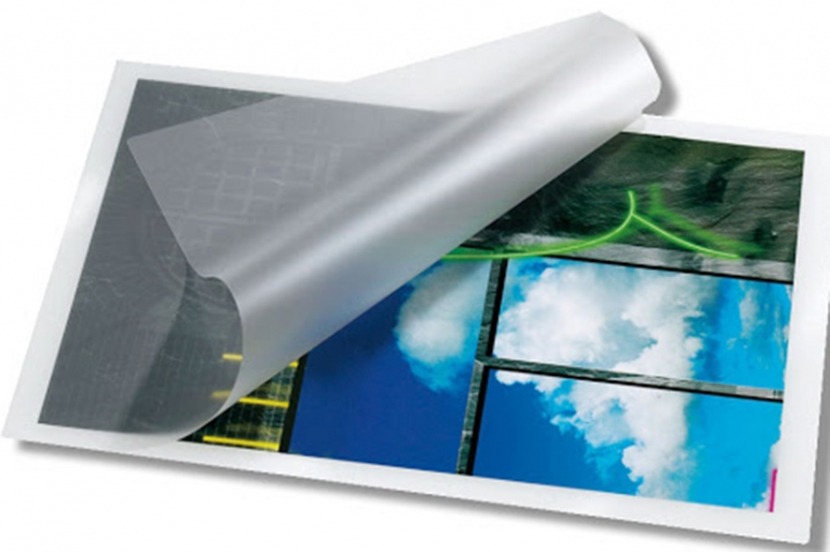
We understand the sinking feeling that occurs when a vital business document begins to degrade. Whether it is an original operating permit, a frequently used safety manual, or a cherished piece of company history, paper remains a fragile medium. Over time, air, moisture, and sunlight conspire to turn crisp pages into brittle, yellowed relics. We believe that preservation should never feel like an afterthought for a growing business.
Investing in professional Document Lamination provides the most effective shield against the inevitable wear of a busy workplace. However, simple lamination is not a one-size-fits-all solution for every project. We have helped countless clients navigate the technical side of preservation to ensure their important records remain pristine for decades. By following a few professional standards, you can transform vulnerable paper into a permanent asset.
Selecting the Ideal Film Thickness for Your Documents
We often see business owners choose the wrong laminate thickness because they focus only on the price point rather than the intended use. In the printing world, we measure lamination in “mils,” and each thickness serves a specific functional purpose. A thin film allows for flexibility, while a thicker film provides structural rigidity similar to a credit card. Choosing the wrong one can lead to documents that either crack under pressure or fail to provide enough protection.
When to Use Lightweight 1.5 to 3 Mil Film
We recommend a thinner 1.5 to 3 mil film for documents that you need to fold or roll, such as large-scale maps or instructional diagrams. This thickness offers excellent protection against spills and fingerprints without adding significant weight or bulk. It works perfectly for internal reference sheets that employees handle daily but keep stored in folders or binders.
Choosing Heavy-Duty 5 to 10 Mil Film for Maximum Durability
For items that must stand upright or endure extreme handling, we suggest moving up to a 5 or 10 mil thickness. We find that menus, ID cards, and countertop displays benefit most from this rigid reinforcement. This level of lamination prevents the paper from bending or creasing, which is essential for maintaining a professional appearance in customer-facing areas.
Preparing Your Documents for a Flawless Seal
The success of long-term preservation depends heavily on what happens before the paper even enters the laminator. We consistently observe that trapped dust, oils, or moisture can ruin an otherwise perfect seal. Once the machine seals the plastic film, any imperfections become a permanent part of the document. We take extra care to ensure every page is ready for its protective layer.
Cleaning and Handling Techniques
We always advise our clients to handle original documents by the edges or wear lint-free gloves before the lamination process. Natural oils from your skin can prevent the adhesive from bonding correctly to the paper fibers. We also use compressed air to remove tiny dust particles that might cause silvering or bubbles under the film. These small steps ensure a crystal-clear finish that enhances the readability of your text.
Testing for Heat-Sensitive Inks
A common mistake we see involves attempting to laminate thermal paper or heat-sensitive inks without a proper assessment. The high temperatures in a standard laminator can turn a thermal receipt or certain older ink types completely black. We recommend checking the ink type first or opting for a cold-press lamination method if the document is irreplaceable or heat-sensitive.
Balancing Preservation with Business Logistics
Preserving your documents often involves more than just keeping them safe in a drawer; it involves how you move them between locations. If you manage a business with multiple branches, you likely need to ship these protected materials efficiently. We often help clients realize that the weight and size of laminated pieces can impact their shipping budget over time.
Streamlining Distribution Costs
When you laminate a large volume of documents, the added weight can surprise you during the mailing process. We suggest looking into USPS mail sorting to keep your distribution costs manageable. Integrating smart logistical planning with your preservation efforts ensures that your high-quality materials reach their destination without breaking your budget.
Storage Best Practices for Laminated Materials
Even though lamination provides a powerful barrier, how you store these items still matters for their longevity. We suggest keeping laminated documents in a cool, dry place away from direct sunlight whenever possible. While the film offers UV protection, extreme heat can eventually cause the adhesive to soften or the edges to delaminate. Proper storage ensures the seal remains airtight for the entire life of the document.
Securing Your Brand’s Legacy Through Professional Care
We know that your business documents represent your hard work, your legal compliance, and your brand’s history. Taking the time to preserve these items correctly demonstrates a commitment to quality that resonates with both employees and clients. A well-preserved document remains a reliable tool that serves your business long after an unprotected sheet would have fallen apart.
At Laguna Digital, we take pride in helping our clients choose the best preservation methods for their unique challenges. We combine years of hands-on experience with the latest printing technology to deliver results that last. Contact us today to discuss your next project and ensure your most important documents stay protected for the long haul.
- MailProsUSA
- rehanmughal1re@gmail.com